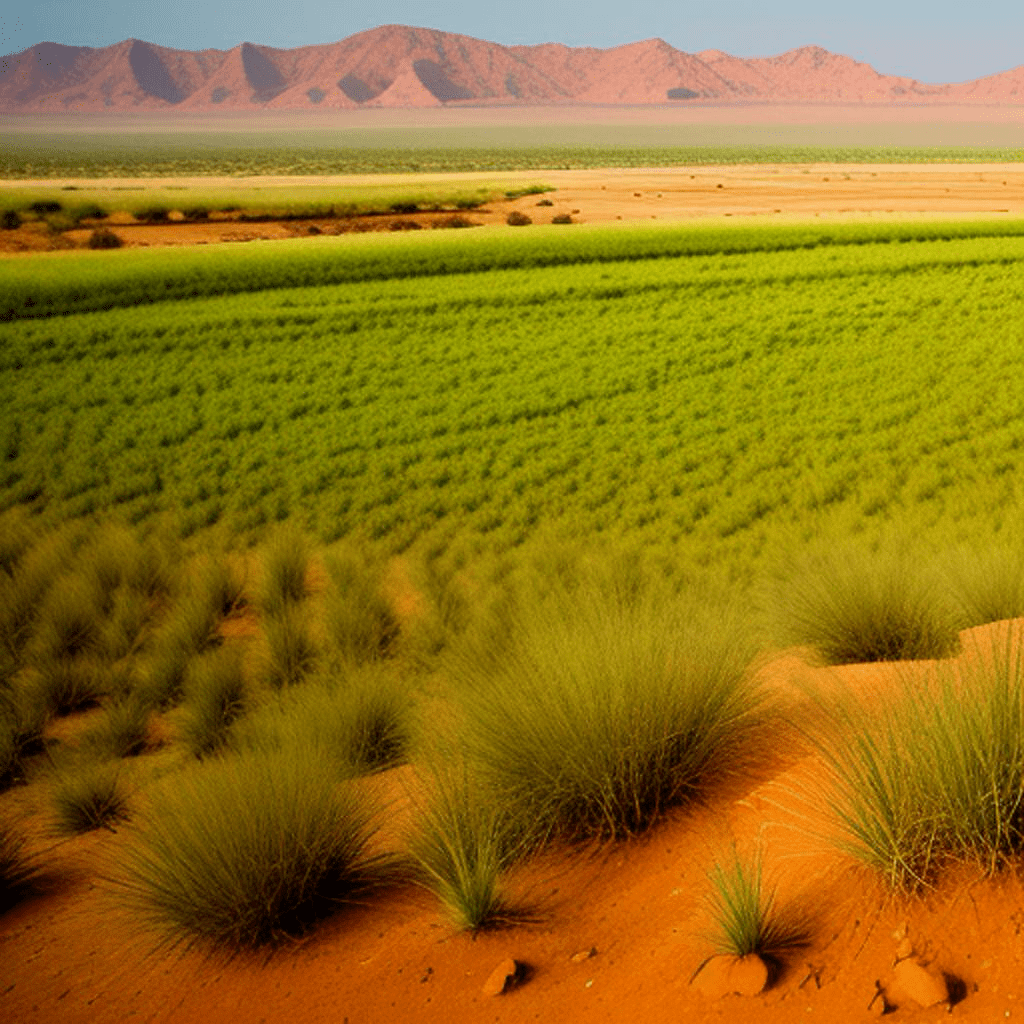
The Barley spoken about in Exodus 9:31 is not Hordeum vulgare; because, it is not indigenous to North America. In addition, it was transplanted by European colonists approximately in the early 17th century, alongside other crops as apart of colonization efforts.
Disclaimer: If you have been following me; you’re aware that I associate the promised land of the true YSHRAL 𐤉𐤔𐤓𐤀𐤋 with North America. Specifically, in the Utah region of the United States. My goal is to research the corrupted scriptures and do my best to restore the true meaning of the context.
Below, is the passage of Exodus 9:31 in the Aramaic Targum of Pseudo-Jonathan, King James Version, Masoretic Text and the Greek Septuagint LXX:
1. Aramaic Targum Pseudo-Jonathan
וכתנא וסרתא לקון ארום סרתא הוות בסירא וכיתנא עבד פוקלין
(Ashuri Script)
𐤅𐤊𐤕𐤍𐤀 𐤅𐤎𐤓𐤕𐤀 𐤋𐤒𐤅𐤍 𐤀𐤓𐤅𐤌 𐤎𐤓𐤕𐤀 𐤄𐤅𐤅𐤕 𐤁𐤎𐤉𐤓𐤀 𐤅𐤊𐤉𐤕𐤍𐤀 𐤏𐤁𐤃 𐤐𐤅𐤒𐤋𐤉𐤍
(Paleo Hebrew/Phonecian Script)
Literal translation: And the flax, and the barley were smitten because, the barley was too early and the flax made bud
2. King James Version (KJV)
And the flax and the barley was smitten: for the barley was in the ear, and the flax was bolled.
Hebrew bible (Leningrad Codex of the Masoretic Text) (LC)
הפשתה והשערה נכתה כי השערה אביב והפשתה גבעל
Literal translation: The flax, and the barley were smitten for, the barley was ear/fresh heads and the flax; bud.
3. Greek Septuagint LXX
το δε And the λίνον flax και and η the κριθή barley επλήγη were struck. ηγαρ For the κριθή barley παρεστηκύια was standing, το δε and the λίνον flax σπερματίζον was seeding.
ANALYSIS
The problem presented in the scriptures above is subtle, but it is crucial for our understanding of the geographical setting of the Holy scriptures.
The English KJV translation puts emphasis on the barley being “in the ear” as a way to seal the deal that it has to be the traditional barley (Hordeum vulgare), and the Masoretic text supports the claim. The word used in Hebrew is אביב “Abib” which is also the Canaanite name for the first month of the Jewish calendar. Strong’s Concordance number H24 tells us that it is “from an unused word”. The Greek Septuagint LXX says that the barley “was standing” in other words “was present”, and last but not least, the Aramaic Targum of Pseudo-Jonathan tells us that the barley “was too early”.
Side Note: The “Hebrew language” itself is categorized as a “Canaanite language” unlike Aramaic (see https://en.m.wikipedia.org/wiki/Canaanite_languages) which is probably the reason why it is harder to trace certain words back to the roots.
If we drop the first two sources (KJV, MT) and take the last two (LXX, TPJ) what we have left is “…it was standing or present too early”. This releases the translations made by the former that the barley was “in the ear”, and provides us with further research to find a pre-colonial equivalent that is native to North America.
INDIAN RICEGRASS (Achnatherum hymenoides)
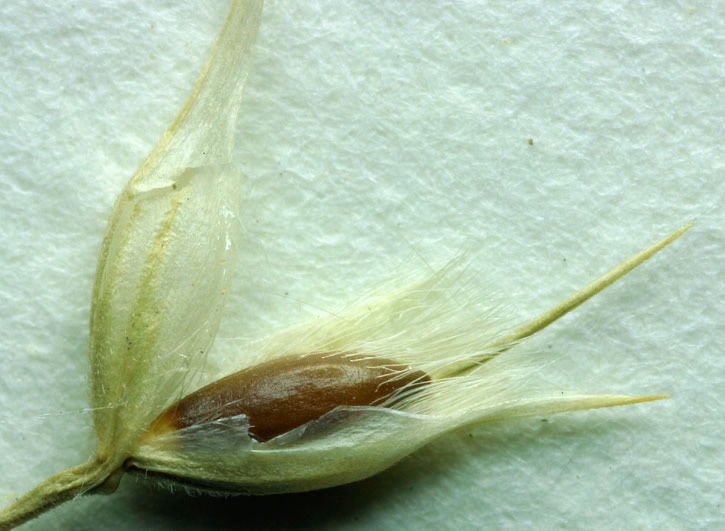
Photo by: Steve Matson
Seeds are round to elongated, black or brown, and generally covered with a fringe of short, dense, white callus hairs.

Photo by: Gary A. Monroe
Indian ricegrass is a perennial.
These photos were taken from the USDA Forest Service site here
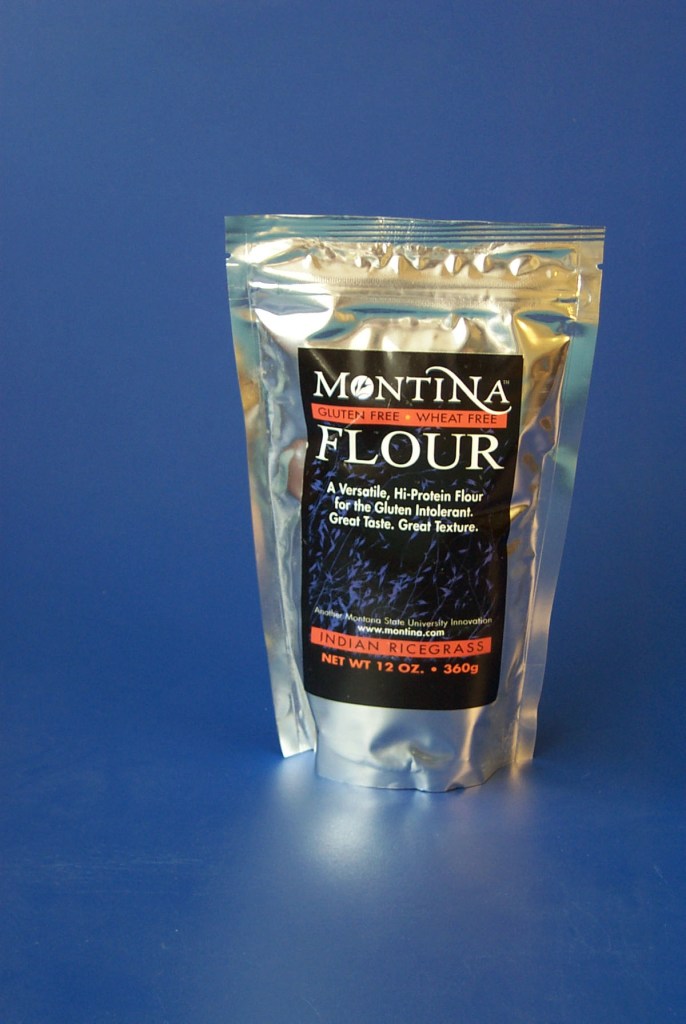
Indian ricegrass is indigenous to the western region of North America; inhabiting states such as: California; Nevada; Utah; Arizona; New Mexico; Colorado; Wyoming; Montana; growing in sandy steppes, grasslands, and desert regions. It thrives in dry-arid climates and has been used by ancient cultures of North America as a principal grain for thousands of years before barley was introduced. Like barley, Indian ricegrass is typically harvested in late summer to early fall. It grows in an ear-like structure that are called “spikelets” or “inflorescences”, and the seeds can be grounded into meal and baked to make bread or eaten as porridge. Indian ricegrass is gluten-free, high in protein, fiber and iron which makes it a healthier choice over wheat and barley.
Bibliography
https://www.montana.edu/news/615/montana-made-gluten-free-flour-now-shipping-growers-co-op-expanding
https://matr.net/news/specialty-flour-on-the-rise-gluten-free-grain-spawns-successful-cooperative/
https://www.fs.usda.gov/wildflowers/plant-of-the-week/achnatherum_hymenoides.shtml
Pt. 1 | https://www.nrcs.usda.gov/plantmaterials/idpmcpg11641.pdf
Pt. 2 | https://www.nrcs.usda.gov/plantmaterials/idpmspg04846.pdf




Leave a Reply