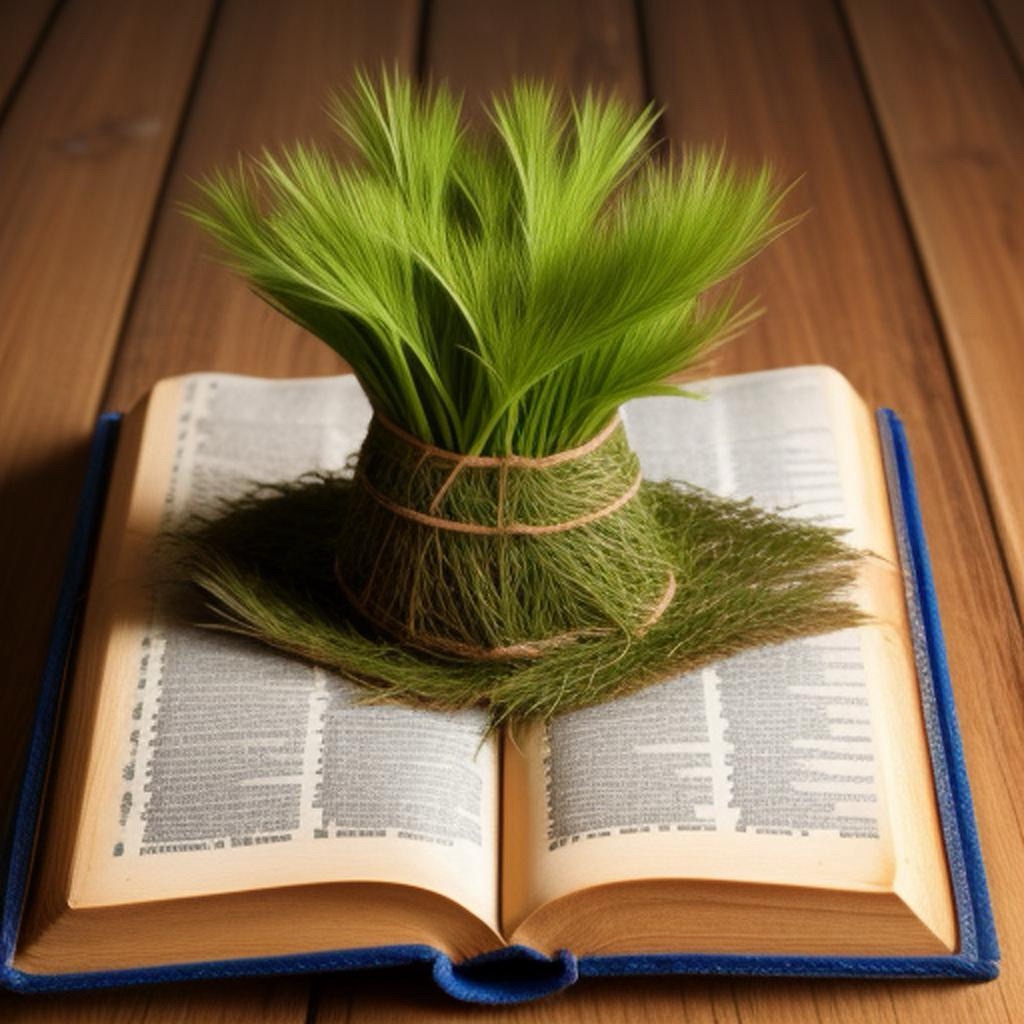
The Flax 𐤊𐤕𐤍 or כתן that is spoken about in Exodus 9:31 (Aramaic Targum Pseudo-Jonathan) is NOT Linum perenne (Eurasian Blue Flax) or Linum usitatissimum (Hybrid/Cultivated Flax) but it is Linum Lewisii (North American Lewis Flax).
Disclaimer: If you have been following me; you’re aware that I associate the promised land of the true YSHRAL 𐤉𐤔𐤓𐤀𐤋 with North America. Specifically, in the Utah region of the United States. My goal is to research the corrupted scriptures and do my best to restore the true meaning of the context.
Below, is the passage of Exodus 9:31 in the Aramaic Targum of Pseudo-Jonathan:
וכתנא וסרתא לקון ארום סרתא הוות בסירא וכיתנא עבד פוקלין
(Ashuri Script)
𐤅-𐤊𐤕𐤍𐤀 𐤅𐤎𐤓𐤕𐤀 𐤋𐤒𐤅𐤍 𐤀𐤓𐤅𐤌 𐤎𐤓𐤕𐤀 𐤄𐤅𐤅𐤕 𐤁𐤎𐤉𐤓𐤀 𐤅𐤊𐤉𐤕𐤍𐤀 𐤏𐤁𐤃 𐤐𐤅𐤒𐤋𐤉𐤍
(Paleo Hebrew/Phonecian Script)
Literal translation: And the flax, and the barley were smitten because, the barley was too early and the flax made bud
Hebrew bible (Leningrad Codex of the Masoretic Text)
הפשתה והשערה נכתה כי השערה אביב והפשתה גבעל
Literal translation: The flax, and the barley were smitten for, the barley was ear/fresh heads and the flax; bud.
Greek Septuagint LXX
το δε And the λίνον flax και and η the κριθή barley επλήγη were struck. ηγαρ For the κριθή barley παρεστηκύια was standing, το δε and the λίνον flax σπερματίζον was seeding.
NOTE: I also, suspect “Barley” is not the name of this plant, and that it is an English rendering attributed by those who perpetuate the lie that the holy land is on another continent. Sticking to the topic at hand, “Flax”, I will save the argument for another article.
• Aramaic: 𐤊𐤕𐤍 “Kih-ten” (Same as כתנא, כתן)
• Hebrew: פשתה “pish-taw”
• Akkadian: kitû (Volume 8, K, Pg. 473)
• Sumerian: gu (Pg. 24), gada (Pg. 21)
NOTE: Hebrew also has another meaning of פשתה but the origin is uncertain.
Here on AidanEM you will see the growth of this word into “Tunic” from “Flax; linen”. The page showcases the former words in Sumerian, Akkadian, Aramaic all the way to English…but Hebrew is no where to be found.
There are 3 types of Flax from the Flax family Linaceae we will focus on here. 1 breed & 2 species:
1. Cultivated Flax (Linum usitatissimum) Breed
2. Blue Flax (Linum perenne) Species
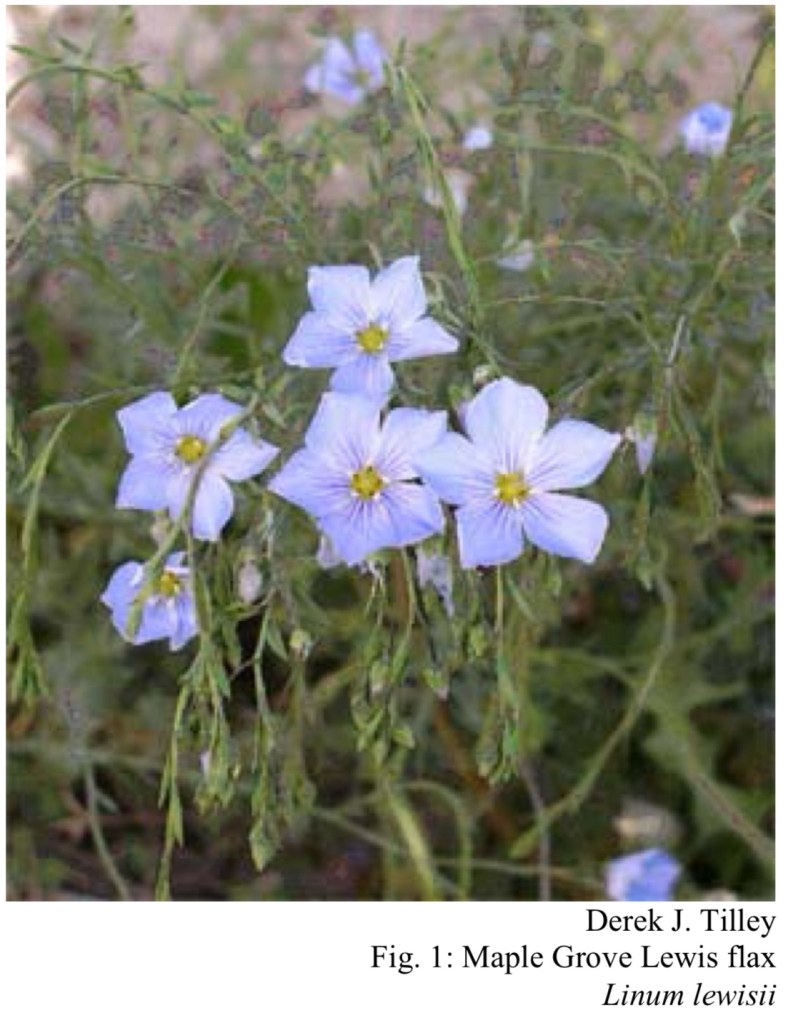
3. Lewis Flax (Linum Lewisii) Species
⁃ Cultivated Flax/Common Flax/Linseed is a domesticated hybrid/breed of the wild flaxes. It is the result of human intervention, modified, and selectively bred for desirable traits.
This plant is in conflict with 𐤉𐤄𐤅𐤄 (see article Crossbreeds, Hybrids & GMOs According to 𐤉𐤄𐤅𐤄)
⁃ Blue Flax (Linum perenne) is a wild plant from Eurasia that was transplanted in the United States due to European settlement.
⁃ Lewis Flax (Linum Lewisii) is a wild plant indigenous to North America. The plant is known to inhabit states from Alaska to California, and east to Minnesota.
According to Cronquist et al. (1997), “the
only significant difference between Linum lewisii and the Eurasian Linum perenne appears to be that the former is homostylic, and the latter heterostylic.”
USDA, NRCS “Blue Flax, Lewis Flax Plant Guide” Pg. 1
“Homostylic” typically refers to a condition where all the styles of a flower within a species are similar. It’s a term used in botany to describe consistency in floral structure within a particular plant species.
ChatGPT 3.5
“Heterostylic” refers to a condition in plants where different individuals of the same species have flowers with varying styles and stamens. This adaptation promotes cross-pollination between plants, enhancing genetic diversity.
ChatGPT 3.5
⁃ If homostylic and heterostylic are the only differences; then, the use case scenario must be generally the same.
⁃ Arthur Cronquist was an American biologist, botanist, and specialized in Compositae. Considered one of the most influential botanists of the 20th Century
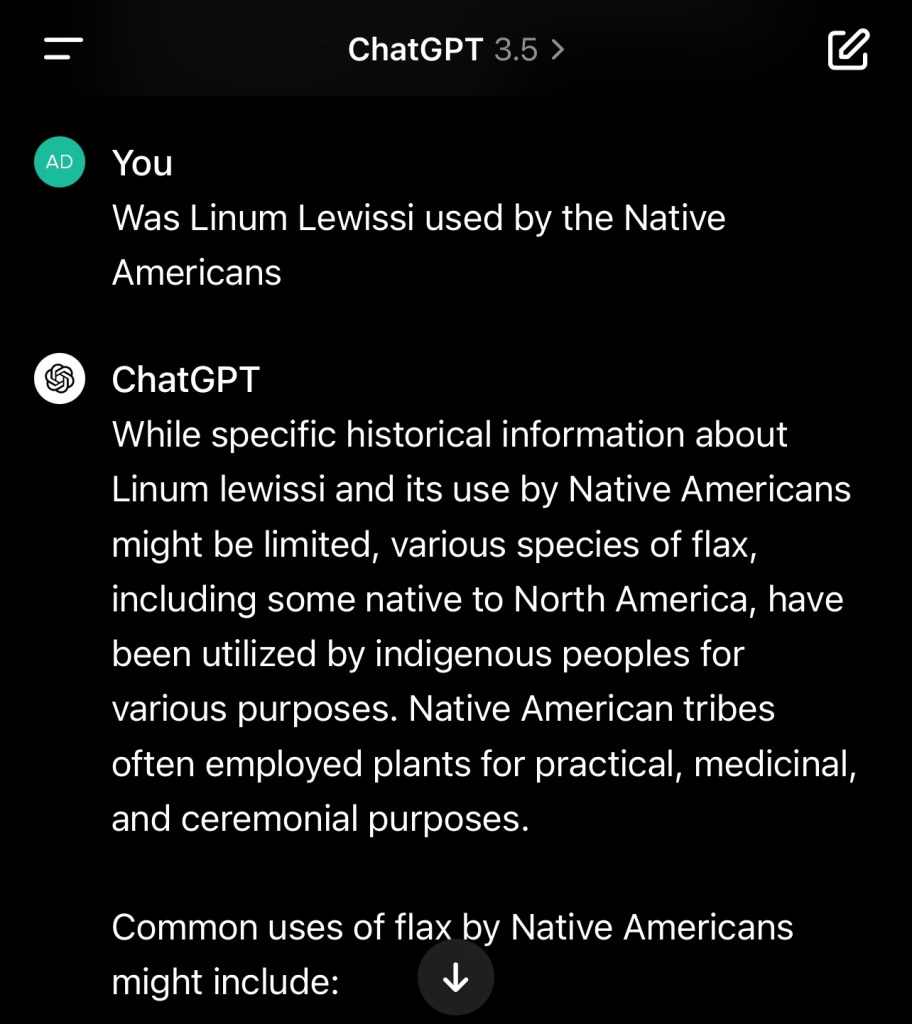
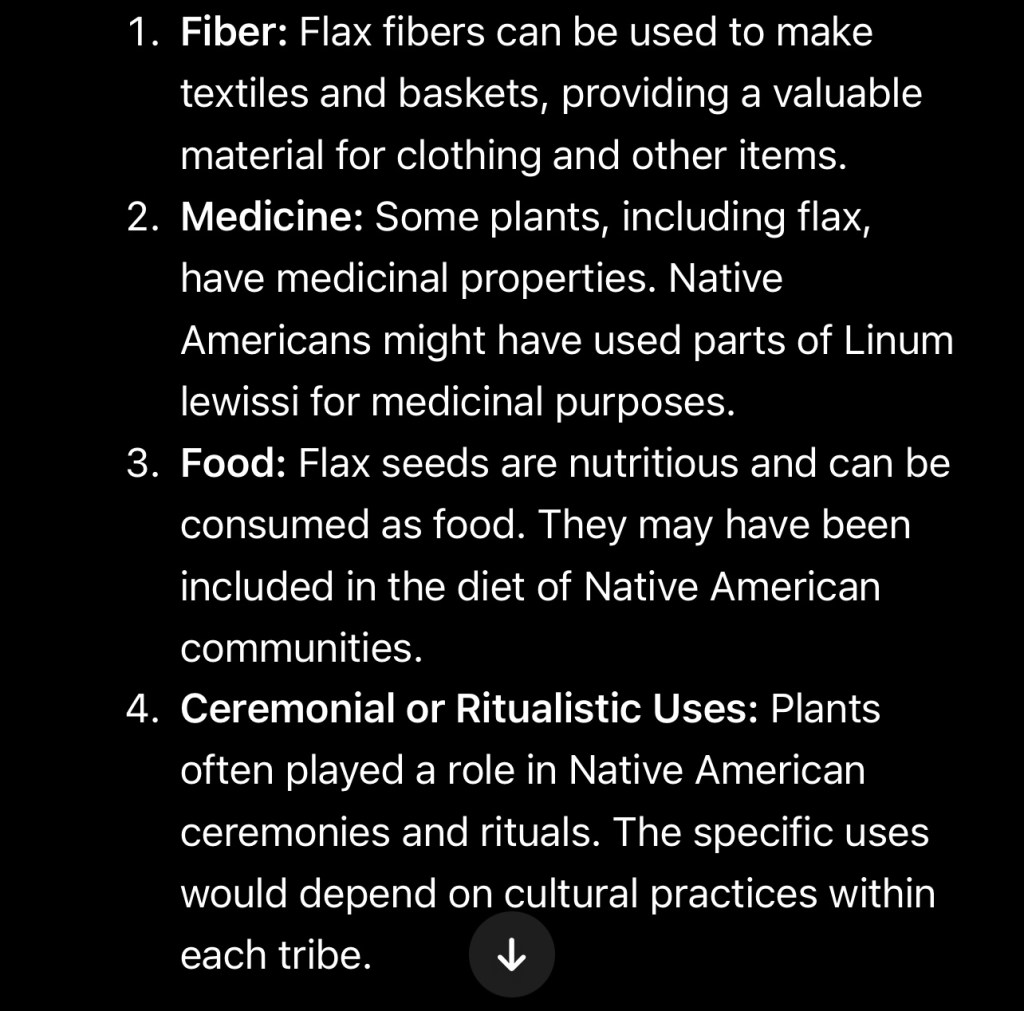
I asked ChatGPT 3.5 “Was Linum Lewissi used by the Native Americans”
Lewis Flax (Linum Lewisii) is not the only Flax species indigenous to North America. Here are few more:
There are numerous flax species native to the U.S. that may be available through native plant nurseries and seed companies. These include the following: Linum alatum (TX & LA), Linum arenicola (FL), Linum aristatum (UT & AZ to TX), Linum berlandieri (CO to LA), Linum catharticum (northeast US), Linum compactum (MT & ND to NM & TX), Linum intercursum (Atlantic states), Linum lewisii (central & west US), Linum medium (east & central US), and Linum virginianum (east & midwest US).
USDA, NRCS “Blue Flax, Lewis Flax Plant Guide” Pg. 3
Again, is 𐤊𐤕𐤍 or כתן Lewis Flax (Linum Lewisii) must be the same Flax mentioned in Exodus 9:31 (Aramaic Targum Pseudo-Jonathan) because, not only does a famous American biologist/botanist compares the European invader species to an American Indigenous equivalent; the Natives also used various species of Flax for textiles, baskets, and clothing.
Make sure to check out my other article:




 MLK DUD 𐤌𐤋𐤊 𐤃𐤅𐤃
Leave a comment