

In the past few years, on my journey to learn more about THE MOST HIGH 𐤄𐤅𐤀 𐤆𐤉 𐤄𐤅𐤉 𐤅 𐤏𐤕𐤉𐤃 𐤋𐤌𐤉𐤄𐤅𐤉 in which most simply know him as 𐤉𐤄𐤅𐤄 YHWH, I transitioned from reading the Masoretic Hebrew text (Leningrad Codex) to the Aramaic/Syriac scriptures called the Peshitta (Codex Ambrosianus). What I found is a new grammatical ruleset with various similarities in between.
Fast forward, I began looking for key names in the Peshitta to see how different they were compared to the Masoretic text. One name in particular, in which this article is about is: ISRAEL
In the Masoretic text the word Israel is spelled ישראל which is transliterated as YŠRAL and pronounced: “EE-SH-RA-L”. Now, most will disagree with me over the transliteration and the pronunciation, but that’s okay, because most will spell and pronounce this word using dagesh/niqqud. Moving forward, as I started reading the Peshitta I found that ישראל has several different spellings.
יסריל (1
איסריל (2
איסראיל (3
Transliterations (In order): YSRYL, AYSRYL, AYSRAYL
So, which one is it?
It took me a while to figure it out, but I think I finally did.
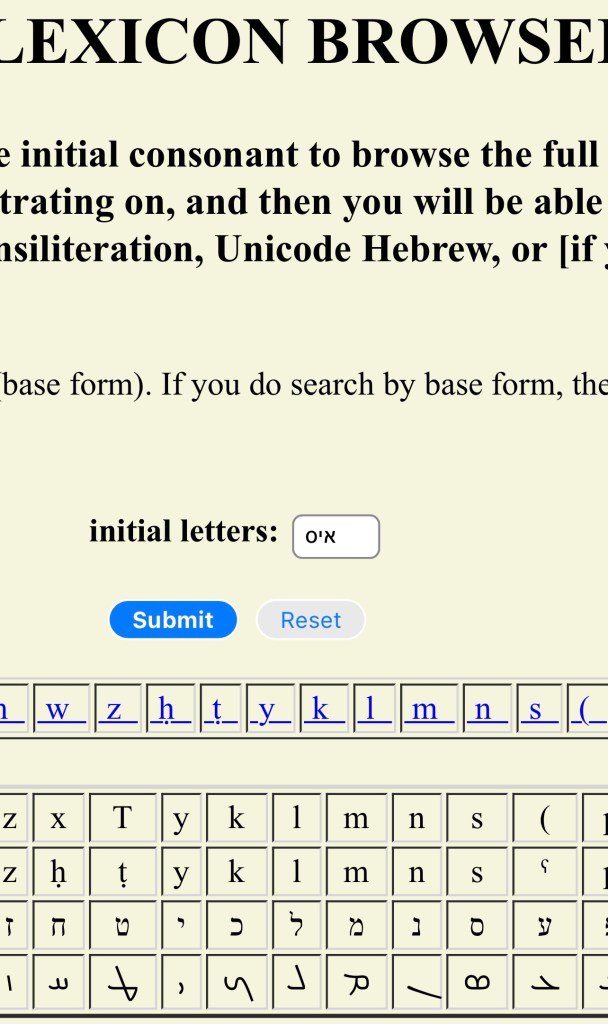
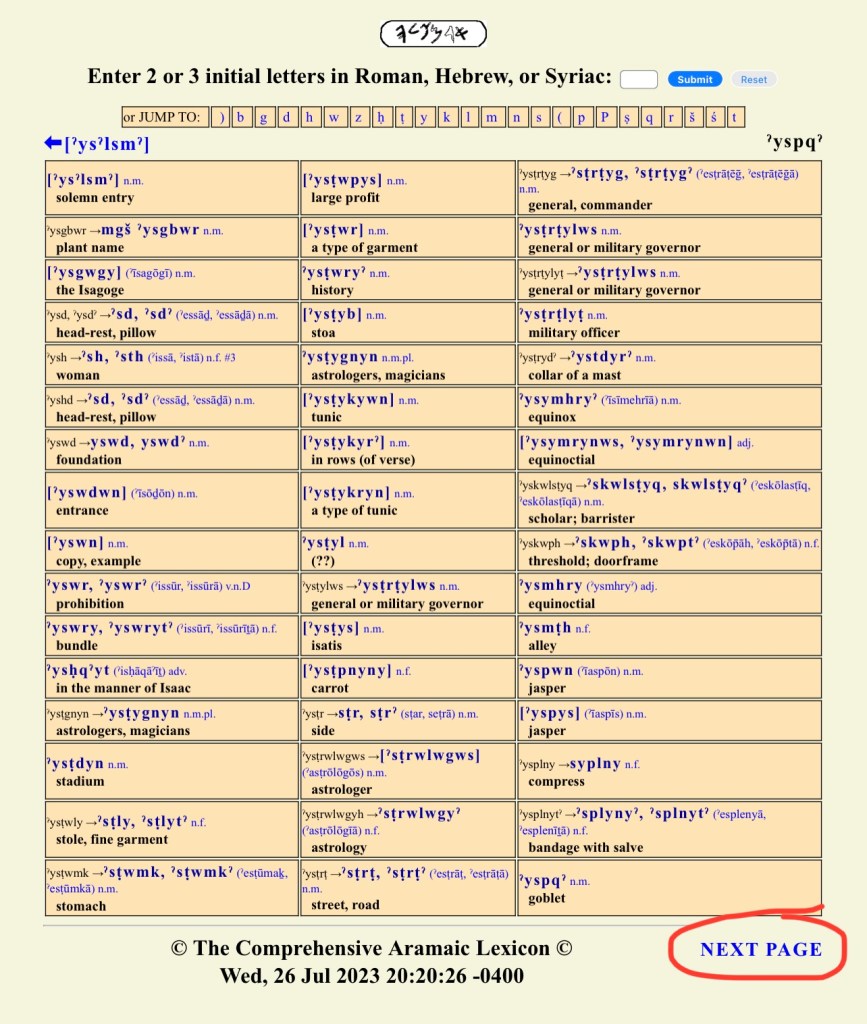
First, I had to dissect the 3 different variations and partially type them into the Comprehensive Aramaic Lexicon (CAL) 3 letters at a time. Here’s some screenshots of my method below:
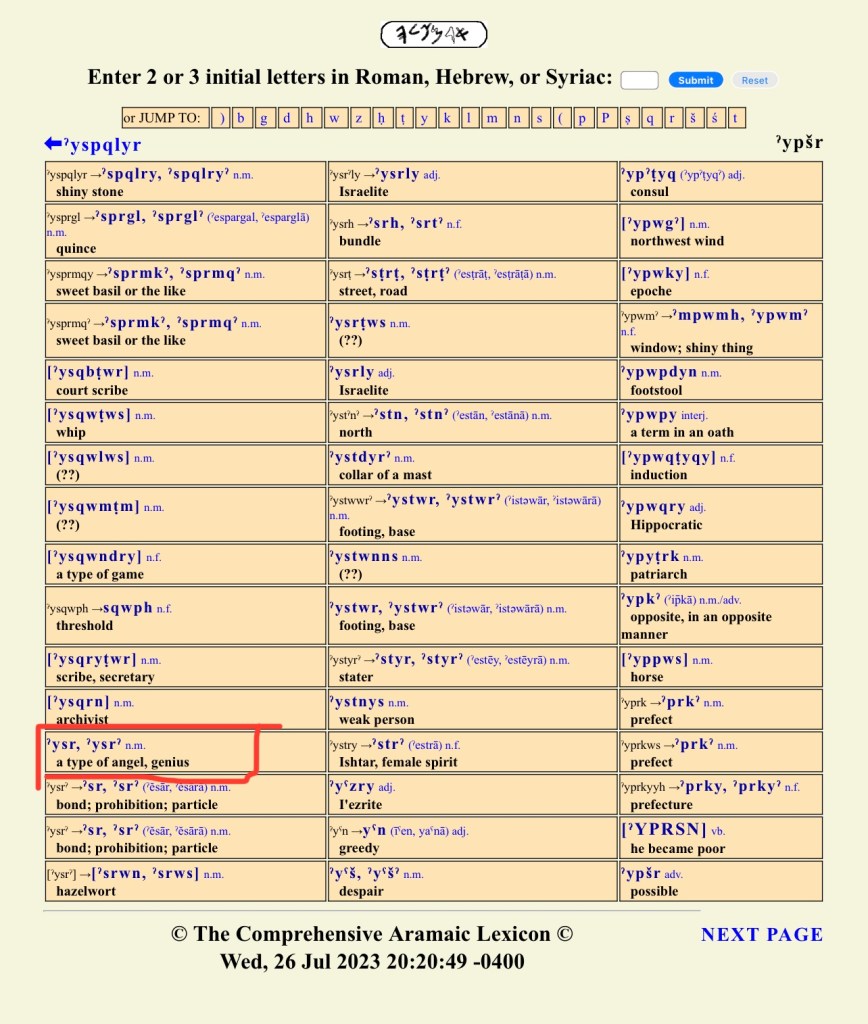
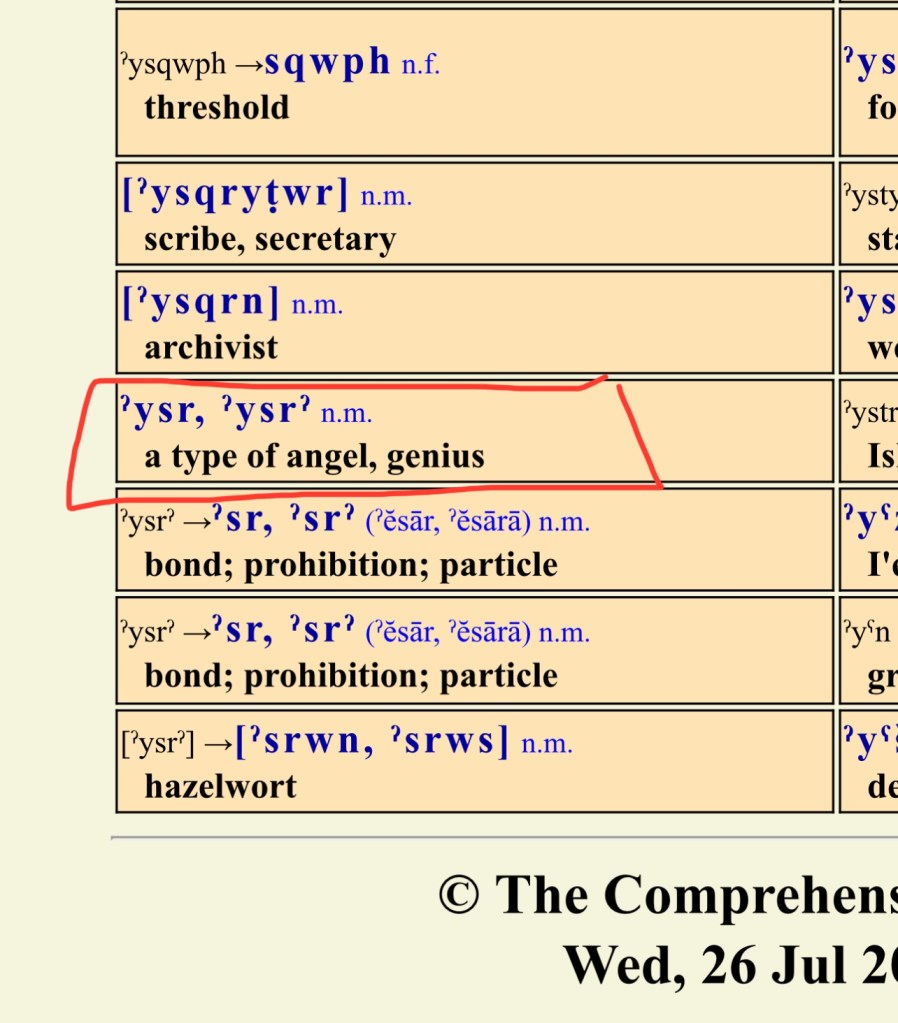
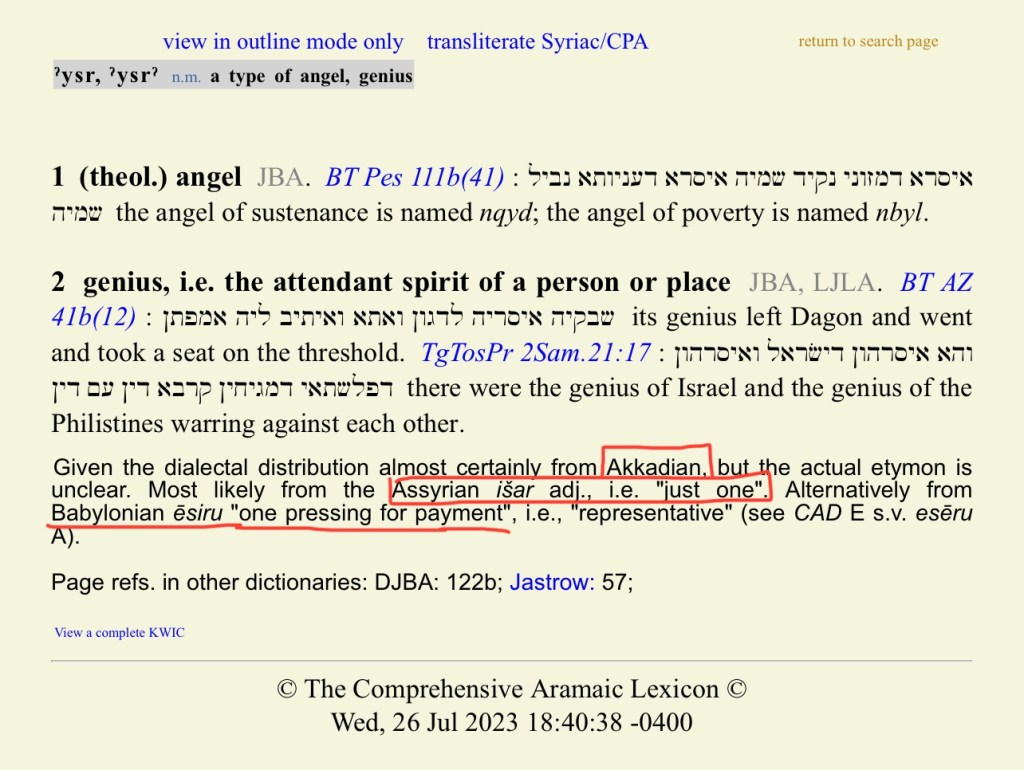
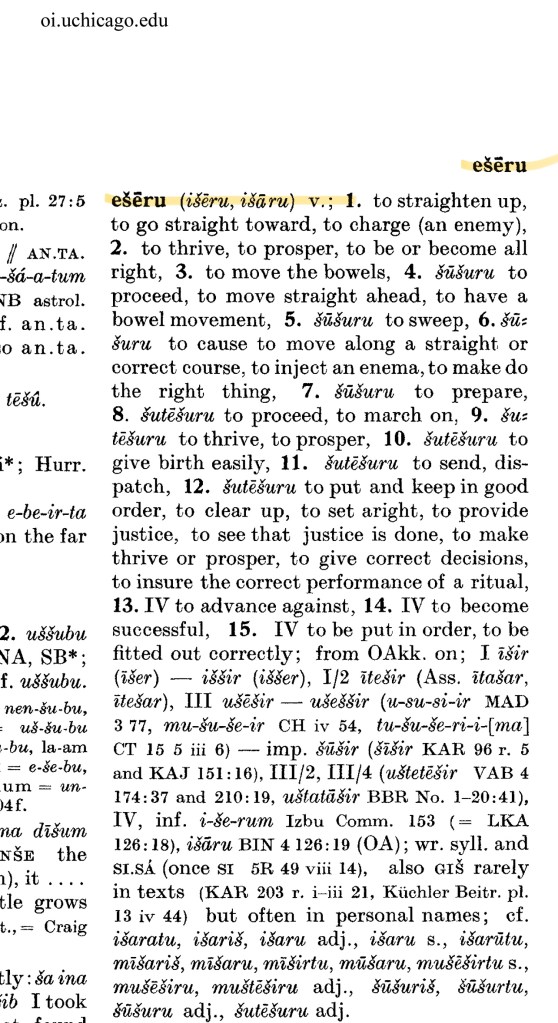
If you look closely at the last screenshot you can see deeper roots of this variation that stems back to Assyrian, Akkadian, and Babylonian. The one in particular that I want you to pay attention to is the Assyrian word: išar | Pronunciation: “EE-SH-AR” | The i (“EE”) can be easily interchangeable with a Y (“EE”) and if you switch the letters a and r it will result in išra or Yšra. This word is in correlation with another word: ešheru (The Assyrian Dictionary of the Oriental Institute of the University of Chicago [CAD] Vol. 4, E pg. 352)
In Hebrew, Strong’s Concordance translates this word to mean “God strives” by breaking down two words: ŠRH שרה “Sh-reh” meaning “to persist, exert oneself, persevere” and AL אל meaning “God”. This translation wouldn’t be too far from accuracy.
OTHER POSSIBLE MEANINGS
Let me bring you the story of Jacob and his name change into Israel or YŠRAL. Before we get to the actual chapter where the name change occurred, let’s first see the blessing that was bestowed upon Jacob as he arrived to his uncle’s.
“And it was when Jakob saw Rahel the daughter of Laban his mother’s brother that Jakob went nigh, and rolled the stone with one of his arms from the mouth of the well; and the well uprose, and the waters ascended to the top of it; and he watered the sheep of Laban his mother’s brother; and it uprose for twenty years.”
Genesis 29:10 – Targum Pseudo-Jonathan | Sefaria.org
Next let’s go a couple chapters over into the name change.
“And Jakob remained alone beyond the Jubeka; and an Angel contended with him in the likeness of a man. And he said, Hast thou not promised to give the tenth of all that is thine? And, behold, thou hast ten sons and one daughter: nevertheless thou hast not tithed them. Immediately he set apart the four firstborn of the four mothers, and there remained eight. And he began to number from Shimeon, and Levi came up for the tenth. Michael answered and said, Lord of the world, this is Thy lot. And on account of these things he (Michael) remained from God at the torrent till the column of the morning was ascending.”
“And he saw that he had not power to hurt him, and he touched the hollow of his thigh, and the hollow of Jakob’s thigh was distorted in his contending with him.”
“And he said, Let me go, for the column of the morning ascendeth; and the hour cometh when the angels on high offer praise to the Lord of the world: and I am one of the angels of praise, but from the day that the world was created my time to praise hath not come until now. And he said, I will not let thee go, until thou bless me.”
“And he said, What is thy name? He answered, Jakob.”
“And he said, Thy name shall be no more called Jakob but Israel, because thou art magnified with the angels of the Lord and with the mighty, and thou hast prevailed with them.”
Genesis 32:25-29 – Targum Pseudo-Jonathan | Sefaria.org
As beautiful as that second part of the journey of Jacob a.k.a Israel/Išral/Yšral is let’s take a look at two possibilities of what his name change might actually mean according to etymology. Below are some screenshots from the CAD ( Chicago Assyrian Dictionary Vol. 7, I/J pg. 261)
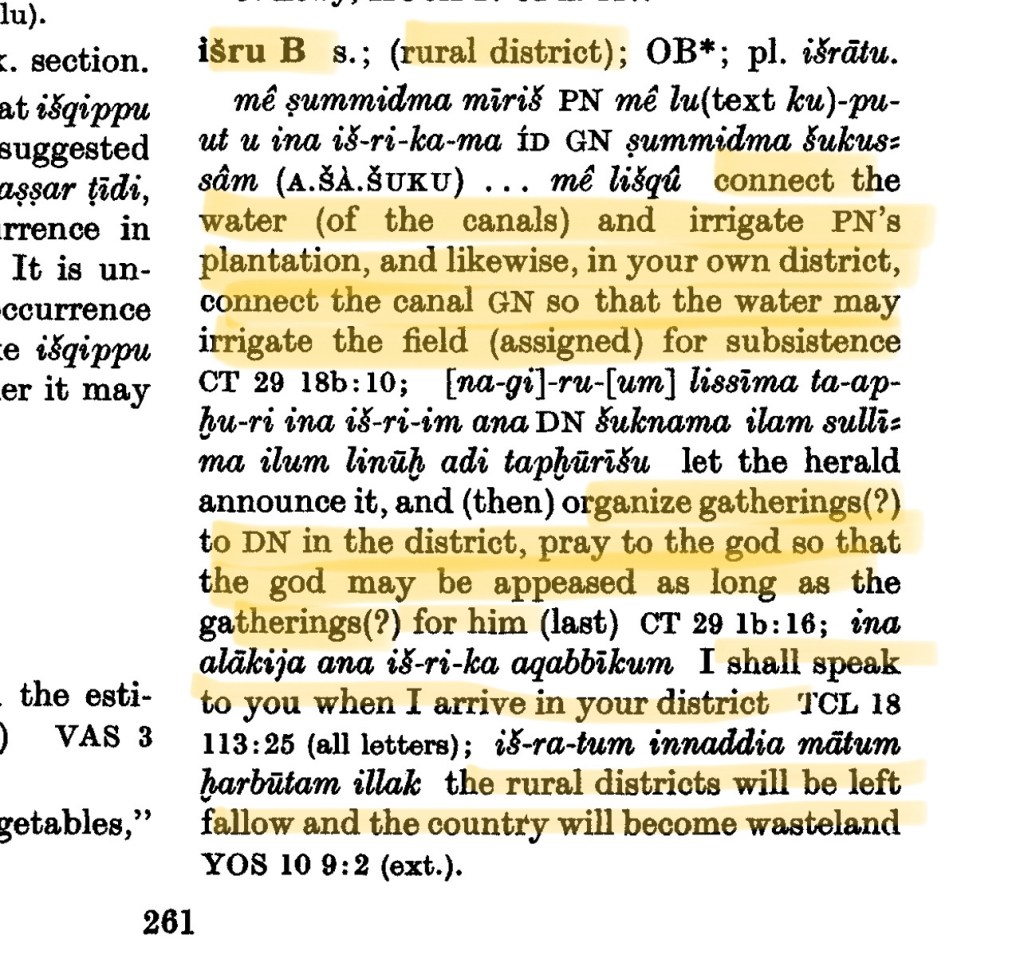
The definition above is in Old Babylonian (OB) and it describes Jacob/Yšral’s ability given by THE MOST HIGH to irrigate his uncle’s land for 20 years! Not only that, but he organized his uncle’s animals until he increased more than him. The last detail tops it off, when he left his uncle’s land it became a wasteland! Not to mention, it probably was a rural district. This next screenshot is just really confirmation.
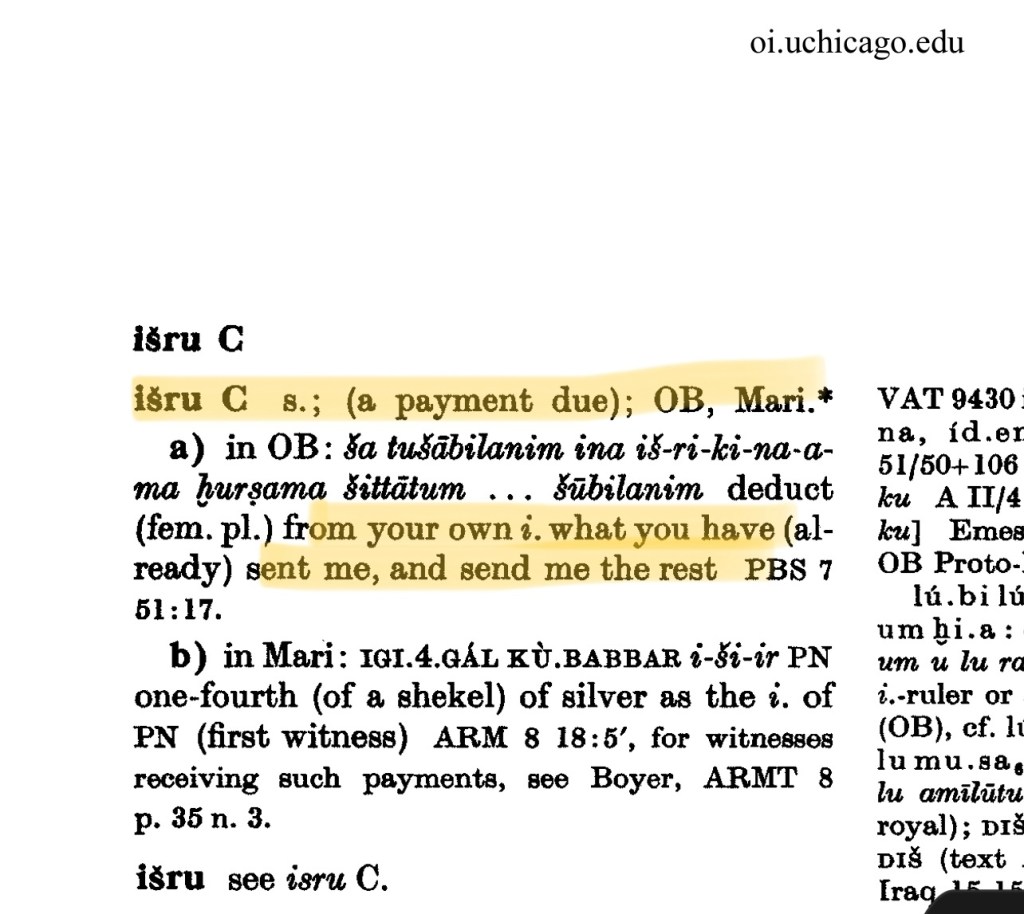
Remember the Sumerian word ēsiru meaning “one pressing for payment”? Well, this is the Old Babylonian rendition of that word, which is a newer word, but it fits the description. Jacob/Išral was wrestling with the angel and did not want to let him go even after a distorted thigh. His objective was to keep pressing on until the angel blessed him and this could be parallel to “one pressing for payment”.
Finally, we have the possible source of this beautiful name Išral/Yšral. The latter part of the name “al” or אל / 𐤀𐤋 can easily mean God.



 MLK DUD 𐤌𐤋𐤊 𐤃𐤅𐤃
Leave a comment